
In the art of composing a perfume, certain raw materials hold a special place. Originating from nature, they have become pillars of olfactive creation, both for their aromatic richness and the emotions they evoke.
The rose, a true queen of gardens, embodies femininity and softness. Whether it's Rosa Centifolia (or May rose) or Rosa Damascena (or Damask rose), its notes can be fresh, honeyed, or spicy depending on how it's treated. The iris, refined and discreet, is distinguished by its powdery side. It does not come from the flower itself, but from its rhizome, which is dried for a long time and then carefully processed. Its elegant and persistent fragrance gives creations a noble character.
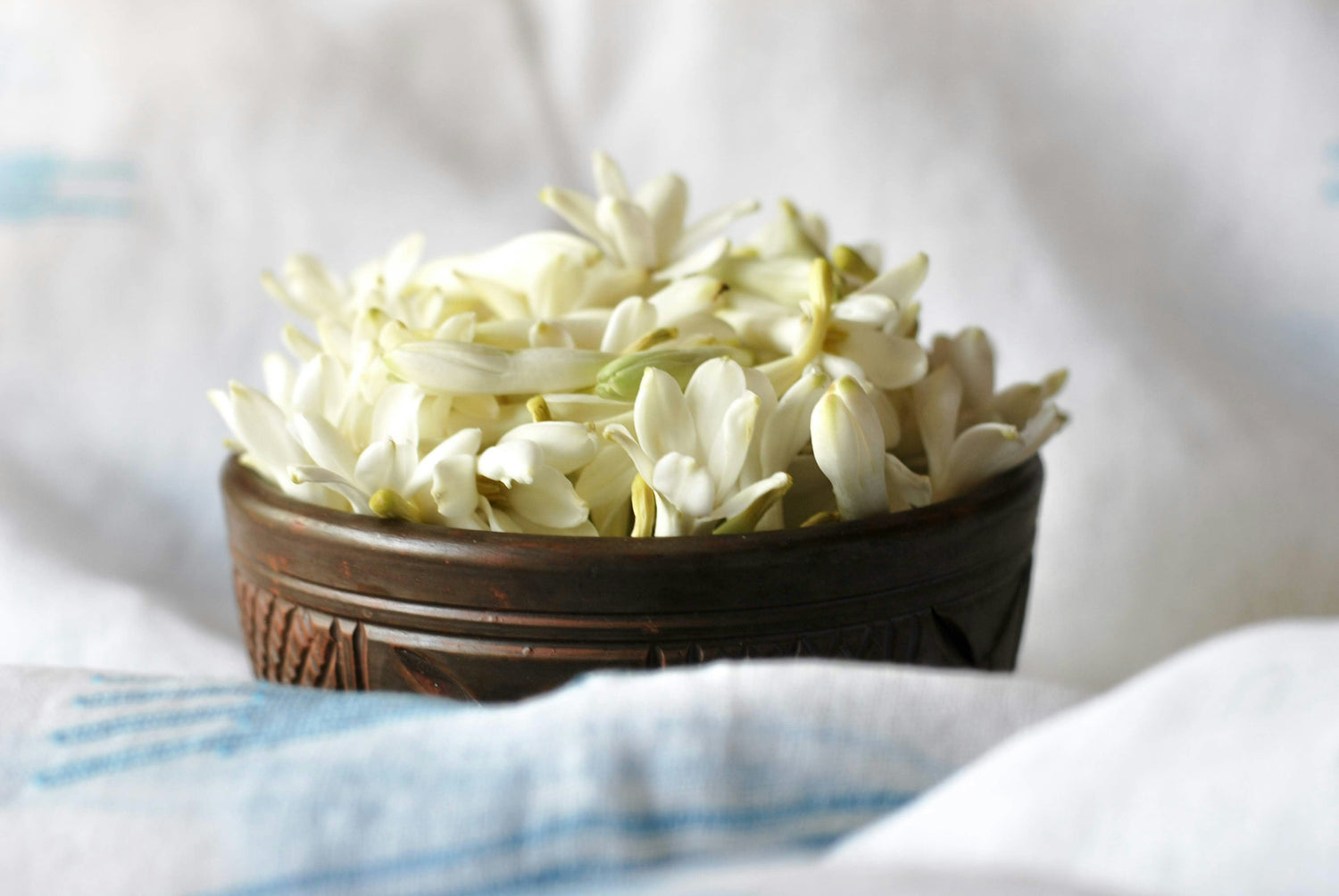
Another essential icon: tuberose. Exuberant, sensual, almost hypnotic, it leaves an unforgettable opulent trail. It has always attracted perfume houses looking for a bold and intense signature.
These plant ingredients are often extracted using complex techniques, ranging from distillation to solvent extraction, to preserve all their richness. They are not mere additions: they form the backbone of many compositions, lending them depth, relief, and personality.
The greatest perfumes find their soul in these botanical treasures. Carefully crafted, they give birth to unique fragrances, both timeless and profoundly modern.

Leave a comment
This site is protected by hCaptcha and the hCaptcha Privacy Policy and Terms of Service apply.